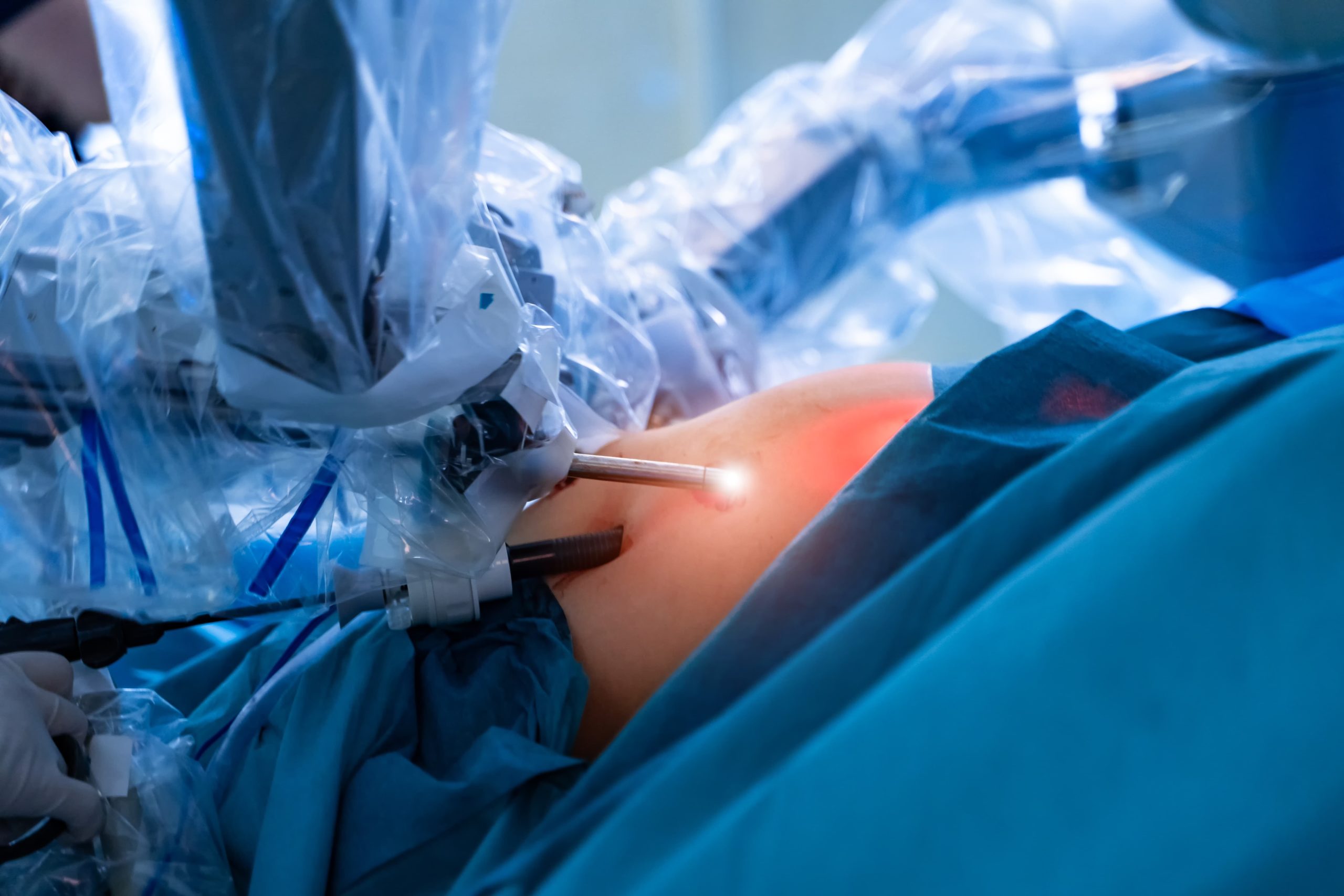

How to Select the Right Connector for a Fiber Laser Probe
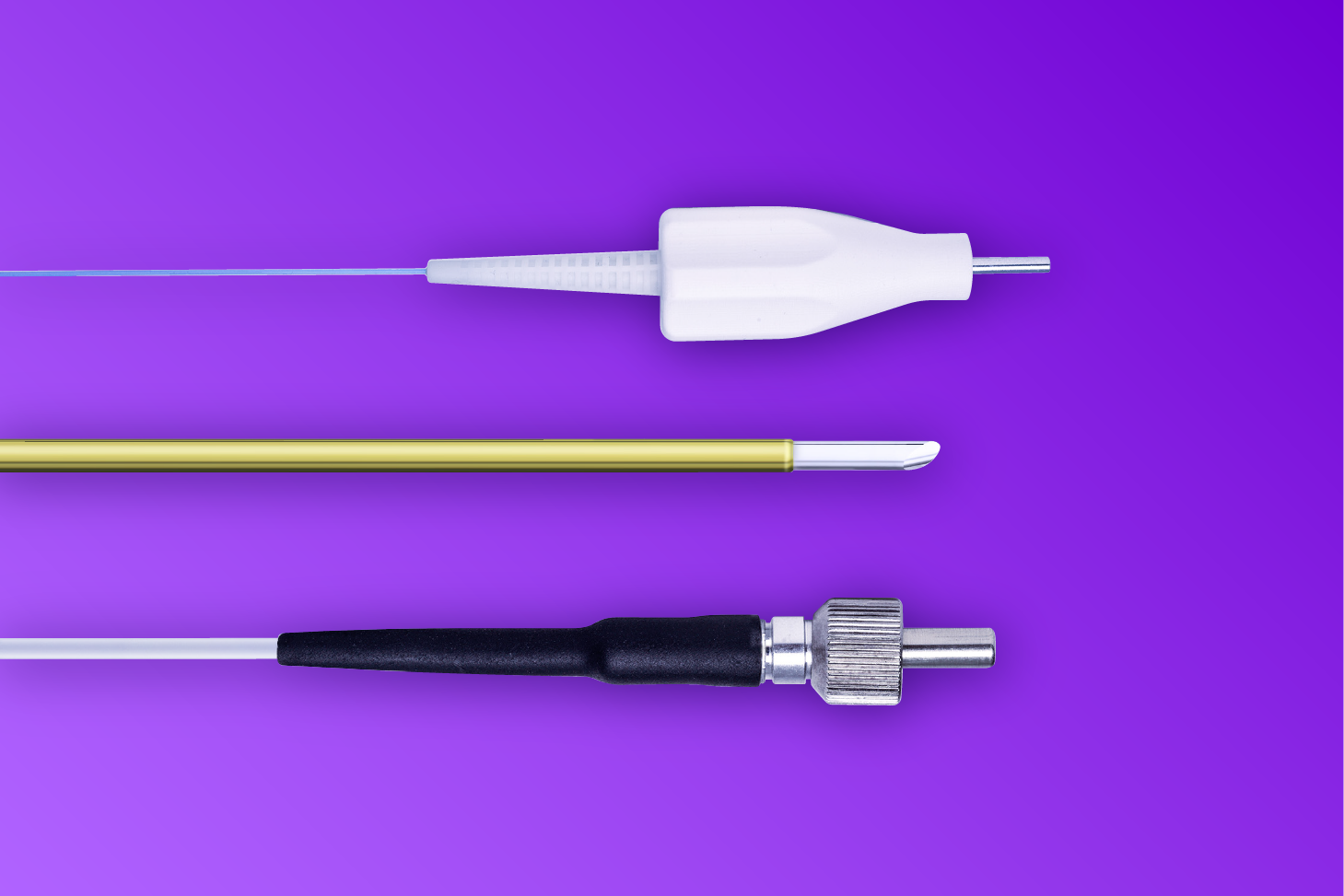
How to Select the Right Connector for a Fiber Laser Probe
Selecting the right connector for a fiber laser probe is a system-level design decision. The best connector is not simply the one with the strongest isolated specification. It is the one that supports stable optical performance, manageable thermal load, practical serviceability, and repeatable manufacturing under the real conditions in which the probe will be used.
For medical, analytical, and industrial laser systems, connector selection should begin with the requirements of the full probe assembly. Power level, fiber geometry, coupling precision, operating environment, cleaning process, and production scale all influence which connector architecture is best suited to the application.
Why Connector Selection Matters in Fiber Laser Probe Design
In a fiber laser probe, the connector is more than a mechanical interface. It can directly affect optical loss, back reflection, contamination risk, heat generation, alignment stability, and long-term reliability.
As average power, peak power, or coupling precision requirements increase, connector performance becomes more important. A connector that introduces small losses or alignment instability can create localized heating, reduce output consistency, and shorten service life. In compact probe designs, even modest interface loss can create a meaningful thermal burden that affects reliability over time.
That is why connector selection should be treated as a probe-level engineering decision, not just a component comparison.
Optical Performance: Insertion Loss, Return Loss, and Alignment
Optical performance is usually the first area engineering teams evaluate, and for good reason. In a fiber laser probe, connector-related loss and reflections can influence delivered power, thermal behavior, and beam quality.
Key factors include:
- insertion loss
- return loss
- fiber alignment
- connector geometry
- contamination sensitivity
- end-face condition
- power handling stability
A practical way to estimate connector-related optical loss is through insertion loss:
Pout = Pin × 10(-IL/10)
Where:
- Pin = input power
- Pout = output power
- IL = connector insertion loss in dB
The corresponding power lost at the interface can be estimated as:
Ploss = Pin − Pout = Pin × (1 − 10(-IL/10))
For example, if a 100 W laser is coupled through a connector with 0.5 dB insertion loss, connector-related loss could reach approximately 10.9 W. In many short fiber probe assemblies, fiber attenuation is relatively low compared with interface loss. In that kind of architecture, dissipating stray energy at or near the connector can increase thermal loading and contribute to degradation over time.
Several design and manufacturing variables influence this result, including:
- fiber core diameter
- numerical aperture
- ferrule geometry
- hole and ferrule diameter tolerances
- ferrule concentricity
- polish quality
- axial and angular alignment
- end-face condition
- contamination control
Small deviations in these areas can increase optical loss, elevate back reflection, destabilize coupling, and increase localized thermal stress. In high-peak-power delivery systems, the cleaved or polished end face can also affect the laser damage threshold of the probe.
For many fiber laser probe designs, connector performance is not a secondary detail. It can be a first-order factor in whether the probe maintains repeatable output under sustained operating conditions.
Application Fit Under Real Operating Conditions
A connector that performs well in controlled testing may not perform the same way in actual use. Fiber laser probes may be exposed to repeated mating cycles, shock, vibration, operator handling, packaging constraints, cleaning agents, or sterilization processes.
That makes application fit just as important as nominal optical specifications.
Engineering teams should evaluate connector performance across the full use environment, including:
- mechanical retention
- strain relief
- resistance to particulate ingress
- ease of inspection
- cleaning requirements
- alignment stability
- mating cycle durability
- compatibility with cleaning or sterilization processes
- serviceability by trained or non-specialist personnel
In many probe designs, connector geometry and ergonomics matter as much as raw optical performance. This is especially true when the assembly will be connected, disconnected, inspected, cleaned, or replaced regularly in the field.
Contamination Control and Serviceability
Contamination control is critical in both high-power and precision-delivery applications. Particles, residue, or handling-related contamination at the optical interface can increase loss, create back reflection, and raise localized heating.
Connector architectures that simplify cleaning, inspection, and replacement can help preserve stable beam transmission while reducing downtime and service complexity. That matters even more in environments where the probe may be handled by personnel who do not have specialized optics training.
In practice, the preferred connector is rarely the one with the best standalone specification. It is the one that maintains acceptable optical and mechanical performance under the actual conditions of use.
Manufacturability, Qualification, and Lifecycle Risk
Connector selection should also be evaluated through the lens of manufacturability, qualification effort, and lifecycle risk. The right connector architecture should support repeatable assembly, stable yield, scalable sourcing, defined inspection criteria, and efficient verification and validation.
Highly specialized or proprietary interfaces may offer advantages in narrow use cases. However, they can also increase qualification complexity, supply chain exposure, and long-term service cost.
Standard or semi-custom connector solutions often provide a more practical path to commercialization when they meet the application’s optical, thermal, and mechanical requirements without introducing unnecessary process variability.
From an engineering standpoint, the correct connector choice is the one that aligns interface performance with the operating realities and lifecycle objectives of the full probe system.
Fiber Laser Probe Connector Selection Checklist
When evaluating a connector for a fiber laser probe, engineering teams should consider:
| Evaluation Area | Questions to Ask |
|---|---|
| Optical Performance | Can the connector maintain the required insertion loss, return loss, and alignment tolerance? |
| Power Handling | Can the interface manage average power, peak power, and localized heating risk? |
| Fiber Geometry | Are the core diamter, numerical aperture, and ferrule geometry matched to the application? |
| End-Face Quality | Does the cleave or polish support the required laser damage threshold? |
| Operating Environment | Will the connector withstand mating cycles, shock, vibration, cleaning, or sterilization? |
| Serviceability | Can the connector be inspected, cleaned, or replaced efficiently? |
| Manufacturing | Can the connector be assembled repeatably at production scale? |
| Qualification | Does the connector support defined inspection, verification, and validation requirements? |
| Lifecycle Risk | Does the interface reduce sourcing, qualification, and service complexity? |
Why a System-Level Approach Matters
Connector selection works best when it is evaluated as part of the full optical, mechanical, and manufacturing system. A connector that looks strong on paper may still create avoidable risk if it is sensitive to contamination, difficult to service, hard to assemble consistently, or poorly matched to the operating environment.
The most effective choice is the one that helps the full probe system maintain stable performance from design through production and use.
Working with Lightera
Lightera works with customers to evaluate connector architecture tradeoffs across optical performance, thermal behavior, manufacturability, and lifecycle requirements.
For fiber laser probe applications, that can include assessing the tradeoffs between standard, semi-custom, and application-specific connector approaches based on the demands of the full probe assembly.
Designing a fiber laser probe? Contact Lightera to discuss the connector architecture best suited to your optical, mechanical, and manufacturing requirements.